

Spring Eye Allergies in Edmonton: What Is Actually Happening to Your Eyes and How to Get Real Relief
Published: March 2026 | Written by the Charm Optical team | Reviewed by Navid H., Licensed Optician, Edmonton AB
Every spring, while the rest of Edmonton is celebrating the return of sunshine and warm air, a significant portion of the population is quietly miserable. Red, swollen, maddeningly itchy eyes. The urge to rub them constantly. Watering at inconvenient moments. Looking like you've been crying when you haven't.
If this is your spring, you're not imagining it and you're not alone. The Canadian Allergy, Asthma and Immunology Foundation estimates that up to 25 to 40 percent of Canadians deal with seasonal allergic disease, and the eyes take the worst of it for many people. Here's what's happening and what actually helps.
Why Edmonton's Allergy Season Is Particularly Rough
Edmonton sits in the North Saskatchewan River valley corridor, which creates natural airflow patterns that concentrate pollen from a wide area. The season hits in waves:
- April to May: Tree pollen. Birch, poplar, and elm are the major culprits. Birch is particularly significant in Alberta and is one of the most allergenic tree pollens anywhere in Canada.
- June to July: Grass pollen peaks. Timothy grass and Kentucky bluegrass are common sensitizers in the Edmonton region.
- Late July to September: Weed pollen, especially ragweed. If you feel like your allergies never quite go away between April and October, it's likely because you're reacting to multiple pollen seasons back to back.
What Is Allergic Conjunctivitis?
When airborne allergens like pollen come into contact with the mucous membranes of your eyes, your immune system responds by releasing histamine. This triggers inflammation in the blood vessels on and around the surface of your eye, causing the characteristic redness, swelling, itching, and tearing.
This is allergic conjunctivitis. It's the same immune mechanism as hay fever but localized to the eyes. Unlike infectious conjunctivitis (pink eye), allergic conjunctivitis isn't contagious, doesn't cause thick discharge, and typically affects both eyes simultaneously.
Things That Actually Help
Preservative-Free Antihistamine Eye Drops
Ketotifen-based drops (sold as Zaditor, Alaway, or the Visine Allergy line in Canada) are over-the-counter antihistamine drops that work directly at the eye surface. They're fast-acting and safe for daily use during pollen season. These will outperform oral antihistamines for eye-specific symptoms because they act locally rather than systemically.
Preservative-Free Artificial Tears for Rinsing
Using preservative-free artificial tears several times throughout an allergy day does two things: it physically rinses pollen off the eye surface, and it dilutes the allergen load that's triggering your immune response. This is simple, gentle, and more effective than most people expect.
Switch From Contacts to Glasses on High-Pollen Days
Contact lenses attract and trap airborne pollen, keeping allergens in direct contact with your eye surface for hours. On heavy pollen days, switching to your glasses dramatically reduces your exposure. If contacts are non-negotiable for you, daily disposables are the best contact option during allergy season since you start each day with a fresh, clean lens.
Check the Pollen Count and Adjust Your Day
Edmonton pollen counts are tracked and publicly available. The Weather Network's pollen tracker and AirQuality.ca are good resources. On high-count days, keeping windows closed, running your air conditioning rather than bringing in outside air, and avoiding outdoor activity during peak pollen hours (typically 5 AM to 10 AM) can meaningfully reduce your exposure.
Don't Rub Your Eyes
We know. But rubbing releases additional histamine from the mast cells in your conjunctiva, which intensifies the itching. It's a frustrating cycle. A cold wet compress applied to closed eyes for 5 to 10 minutes provides genuine itch relief without triggering more histamine release.
When to Come See Us
Over-the-counter options work well for most people with mild to moderate seasonal allergies. But if your symptoms are severe, aren't responding to what you've tried, or you're noticing any discharge, significant swelling, or vision changes alongside the allergy symptoms, it's worth coming in.
Prescription antihistamine and mast cell stabilizer eye drops are significantly more effective than OTC options and can make a real difference for people who struggle every spring. We can also help rule out other causes, since dry eye syndrome, infectious conjunctivitis, and contact lens-related irritation can all mimic allergy symptoms.
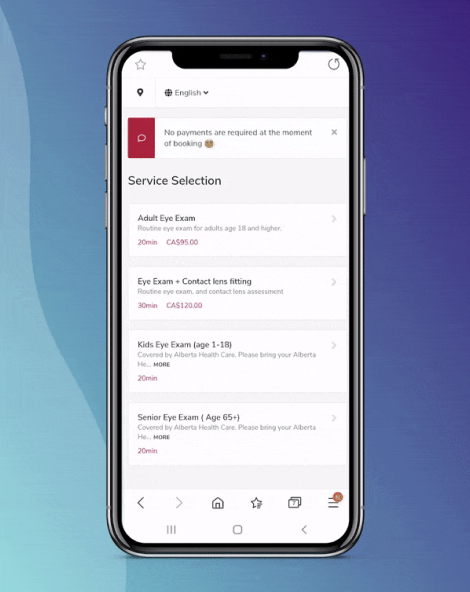
Book an appointment at Charm Optical and let's get your eyes through this spring season. Book with us at 5035 Ellerslie Road SW Edmonton.
Frequently Asked Questions
Is there a way to tell if I have eye allergies versus pink eye?
Allergic conjunctivitis typically affects both eyes simultaneously, causes intense itching more than pain, has clear or watery discharge, and correlates with pollen season or allergen exposure. Infectious pink eye often starts in one eye, causes more burning than itching, may produce thicker coloured discharge, and spreads easily. If you're unsure, come in. It makes a real difference which one it is.
Can I wear contact lenses during allergy season?
Yes, but with precautions. Daily disposable lenses are significantly better during allergy season than weekly or monthly lenses, since you're not repeatedly reintroducing a lens coated with allergen deposits. Anti-allergy eye drops may also need to be used 15 minutes before inserting your lenses rather than on top of them.
Do antihistamine pills help with eye allergies?
They help to some degree, but antihistamine eye drops are more effective for eye-specific symptoms because they work directly at the site. A combination of oral antihistamine for systemic symptoms and antihistamine eye drops for the eyes specifically tends to give the best overall relief.