
Transition Lenses: Pros, Cons & Cost in Canada — Real-World Performance in Edmonton Winters
Transition Lenses: Pros, Cons & Cost in Canada — Real-World Performance in Edmonton Winters
You step outside your office near Windermere into the February sun, and the glare off the snow is blinding. You reach for your sunglasses, but they're sitting on the kitchen counter. Again. If this sounds like your weekly routine, transition lenses (also called photochromic lenses) might solve a problem you didn't realize had a solution.
Want the underlying science first? GlassesPedia breaks down how photochromic lenses work in its eyewear encyclopedia.
Photochromic lenses darken automatically when exposed to UV light and fade back to clear indoors. One pair of glasses that works everywhere. Sounds perfect, right? Mostly — but there are real trade-offs, and Edmonton's cold winters add a wrinkle that most online guides skip over entirely.
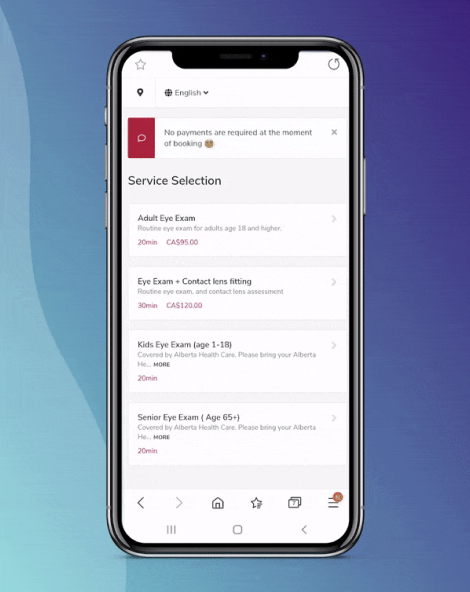
This guide covers how photochromic lenses actually work, which brands perform best, what they cost at Charm Optical (5035 Ellerslie Rd SW, Edmonton, AB T6X 1X2), and the honest pros and cons you should know before spending your money. If you'd rather just try them on, book an eye exam online or call us at (780) 490-0090.
What's in This Guide
- How Photochromic Lenses Work (The Science)
- How Edmonton's Cold Weather Affects Transition Lenses
- Brand Comparison: Transitions Gen 8 vs. XTRActive vs. SunSync
- Honest Pros and Cons
- The Windshield Problem: Why They Don't Darken in Your Car
- Transition Lenses vs. Dedicated Sunglasses in Edmonton
- Who Should (and Shouldn't) Get Photochromic Lenses
- How Much Do Transition Lenses Cost in Edmonton?
- Insurance and Direct Billing in Alberta
- Where to Buy Transition Lenses Near Me in Edmonton
- Frequently Asked Questions
How Photochromic Lenses Work (The Science)
Photochromic lenses contain special molecules — typically silver halide compounds or organic photochromic dyes — embedded in the lens material itself. When ultraviolet (UV) light hits these molecules, they undergo a chemical reaction that changes their structure, causing them to absorb visible light. The result: your lenses darken.
Move indoors or away from UV exposure, and the reaction reverses. The molecules return to their original transparent state, and your lenses clear up. According to the American Academy of Ophthalmology, modern photochromic lenses block 100% of UVA and UVB rays whether they're in their clear or darkened state.
A few things worth knowing about the chemistry:
- Temperature matters. The photochromic reaction is temperature-dependent. Cold temperatures actually make the lenses darken more and stay dark longer. Hot temperatures speed up the fade-back but reduce maximum darkness.
- UV intensity drives activation. Overcast days with significant UV still trigger the lenses, though they won't get as dark as they would in direct sunlight.
- They don't last forever. After 2-3 years of heavy use, the photochromic molecules gradually lose their responsiveness. The lenses still work as regular glasses, but the darkening effect weakens.
This is why photochromic performance varies so much between seasons, temperatures, and locations. And it's exactly why Edmonton wearers have a different experience than someone in, say, Vancouver or Phoenix.
How Edmonton's Cold Weather Affects Transition Lenses
Here's what most transition lens guides won't tell you: Edmonton's winter temperatures fundamentally change how these lenses behave.
When it's -20°C outside (a perfectly normal January afternoon in Ellerslie or Summerside), your photochromic lenses will get noticeably darker than they would on a +25°C summer day. The cold slows down the molecular reaction, which means the darkening compounds stay activated longer. Great for sun protection while you're walking across the parking lot at South Edmonton Common.
The catch? That same cold-weather slowdown affects the fade-back time. Walk into Southgate Centre from a bright, cold day, and your lenses might take 3-5 minutes to fully clear instead of the usual 60-90 seconds. You'll be standing at the mall directory squinting through tinted lenses while your eyes wait to catch up.
What This Means in Practice
During an Edmonton winter, expect:
- Darker activation outdoors: Your lenses will reach about 85-90% darkness in cold + sunny conditions, compared to 70-80% in summer heat
- Slower fade-back: 2-5 minutes to clear in cold weather vs. 60-90 seconds in warm weather
- Better UV protection overall: The enhanced darkening actually provides stronger glare reduction when you need it most — walking or driving on bright, snowy days
- Seasonal inconsistency: Your lenses behave differently in July than they do in December, which some people find annoying
For Edmonton residents who spend most of their time going building-to-car-to-building, the slower fade-back is usually a minor inconvenience. But if you're an outdoor worker in Sherwood Park or regularly commuting by foot through Whyte Ave in January, it's worth factoring in.
Brand Comparison: Transitions Gen 8 vs. XTRActive vs. SunSync
Not all photochromic lenses perform the same. The three brands we fit most often at Charm Optical each have distinct strengths. Here's an honest comparison based on what we see in real patient feedback:
| Feature | Transitions Gen 8 | Transitions XTRActive | SunSync Elite |
|---|---|---|---|
| Darkening Speed | ~30 seconds to full dark | ~25 seconds to full dark | ~35 seconds to full dark |
| Fade-Back Speed (warm) | ~60 seconds to clear | ~90 seconds to clear | ~75 seconds to clear |
| Fade-Back Speed (cold, -15°C) | ~3-4 minutes | ~4-5 minutes | ~3-4 minutes |
| Darkness Level (Outdoor) | Category 3 (good) | Category 3+ (darkest) | Category 3 (good) |
| Indoor Clarity | Very clear (slight residual tint) | Light base tint visible indoors | Very clear |
| Behind Windshield | Minimal activation | Moderate activation (best for driving) | Minimal activation |
| Available Colours | Grey, Brown, Green, Amethyst, Sapphire, Amber, Emerald | Grey, Brown, Polarized options | Grey, Brown |
| Best For | Most people; everyday wear | Light-sensitive people; drivers | Budget-friendly alternative |
Our Take
Transitions Gen 8 is the best all-around choice for most Edmonton residents. It's the fastest to clear, offers good outdoor darkness, and comes in the widest range of colours. If you want one pair of glasses that handles most situations well, this is the default recommendation.
Transitions XTRActive is worth the upgrade if you're particularly sensitive to bright light or spend a lot of time driving. It's the only option that provides meaningful darkening behind a windshield (more on that below). The trade-off is a slight visible tint indoors — noticeable if you look closely, but most people don't mind.
SunSync Elite offers solid performance at a lower price point. It doesn't have the colour range or the behind-the-windshield activation of Transitions products, but it darkens and clears reliably. A sensible choice if budget is a priority.
Honest Pros and Cons of Photochromic Lenses
After fitting hundreds of patients with photochromic lenses at our Ellerslie location, here's what we consistently hear back:
The Genuine Advantages
- Convenience. One pair of glasses for indoors and outdoors. No switching, no carrying a second pair, no forgetting your sunglasses at home.
- Full UV protection at all times. Even when fully clear, photochromic lenses block 100% of UV rays. The AAO recommends UV protection year-round, and photochromic lenses deliver that automatically.
- Reduced eye strain. The automatic adjustment means your eyes aren't constantly adapting between bright and dim environments. People who work near windows or step outside frequently notice this the most.
- Cost savings vs. two pairs. A single pair with photochromic lenses is almost always cheaper than buying separate prescription glasses and prescription sunglasses.
- Works with any frame. Unlike clip-on sunglasses (which limit your frame choices), photochromic treatment works with virtually any frame style — from the Ray-Ban Wayfarers to minimalist Persol wireframes.
The Honest Drawbacks
- They don't replace sunglasses for driving. Standard photochromic lenses barely darken behind a windshield because modern car glass blocks most UV light. This is the single biggest complaint we hear.
- Fade-back lag. Walking indoors with still-dark lenses can be awkward in meetings, appointments, or social situations. This is worse in Edmonton's cold months.
- Not as dark as dedicated sunglasses. Even at maximum activation, photochromic lenses don't match the darkness of purpose-built polarized sunglasses from brands like Maui Jim or Oakley.
- Performance degrades over time. After 2-3 years, the photochromic molecules lose responsiveness. You'll eventually need new lenses even if your prescription hasn't changed.
- Inconsistent in hot weather. On Edmonton's hottest summer days (+30°C and above), the lenses may not darken as much as you'd expect. Heat works against the darkening reaction.
- Slight indoor tint. Some brands (particularly XTRActive) maintain a faint residual tint indoors. Most people don't notice, but photographers and colour-critical professionals might.
The Windshield Problem: Why Transition Lenses Don't Darken in Your Car
This is the question we get asked more than any other about photochromic lenses: "Why don't they work when I'm driving?"
The answer is straightforward. Modern vehicle windshields are treated with a UV-blocking coating (it's actually a legal requirement in Canada). Since standard photochromic lenses need UV light to activate, and your windshield is blocking most of that UV light, the lenses stay mostly clear while you're driving.
This matters a lot in Edmonton, where winter sun sits low on the horizon and glare off snow-covered roads along Whitemud Drive or the Henday can be intense even through a windshield.
Solutions for Drivers
- Transitions XTRActive: Specifically engineered to activate behind windshields. It uses a different molecule that responds to both UV and visible light. You'll get moderate darkening (not full sunglass-level) while driving.
- Transitions XTRActive Polarized: The premium option. Combines behind-windshield activation with polarization for reduced road glare. The closest a photochromic lens gets to replacing driving sunglasses.
- Keep a pair of prescription sunglasses in the car. Honestly, for serious driving — especially long highway stretches to Jasper or Banff — a dedicated pair of polarized sunglasses still outperforms any photochromic lens.
The American Academy of Ophthalmology recommends that driving glasses include polarization to reduce horizontal glare from wet or icy road surfaces. Photochromic lenses alone typically don't include polarization unless you specifically choose the XTRActive Polarized option.
Transition Lenses vs. Dedicated Sunglasses in Edmonton
One of the most common questions from patients at our South Edmonton location: should I get transitions or just buy a separate pair of sunglasses? The answer depends on how you spend your days.
| Scenario | Transition Lenses | Dedicated Sunglasses | Winner |
|---|---|---|---|
| Daily commute (car) | Limited darkening behind windshield | Full darkness + polarization | Sunglasses |
| Walking around Ellerslie / Summerside | Auto-adjusts, no switching needed | Must carry and swap pairs | Transitions |
| Working near windows | Adjusts subtly to changing light | Too dark indoors | Transitions |
| Skiing / snowboarding at Marmot Basin | Gets very dark in cold + altitude UV | Consistent performance, polarized | Sunglasses (goggles) |
| Summer patio (Whyte Ave) | May not get dark enough in +30°C heat | Consistent full darkness | Sunglasses |
| Kids / active lifestyle | One pair to manage, less likely to lose | Two pairs to track | Transitions |
| Budget-conscious | ~$80-150 add-on to existing lenses | $200-500+ for separate Rx pair | Transitions |
| Fashion / colour accuracy | Slight residual tint indoors | Fully clear indoor glasses stay clear | Sunglasses |
Our honest recommendation: If you can only afford one pair and you don't drive a lot during peak sun hours, transitions are the practical choice. If you drive daily and value maximum glare protection, invest in a dedicated pair of prescription sunglasses and keep your regular glasses clear. Plenty of our patients do both — transitions on their everyday pair and polarized sunglasses in the car.
Who Should (and Shouldn't) Get Photochromic Lenses
Great Candidates
- People who frequently move between indoors and outdoors. Teachers, delivery workers, parents running errands around Terwillegar or Windermere — if you're in and out all day, transitions save you from constant switching.
- Anyone who keeps losing their sunglasses. If your sunglasses have a lifespan of about three months before they vanish, consolidating into one pair makes sense.
- Children and teenagers. Kids rarely remember to bring sunglasses, and UV protection during childhood matters for long-term eye health. Transitions built into their everyday glasses means automatic protection without the nagging.
- Light-sensitive individuals. If you find yourself squinting even on overcast Edmonton afternoons, the automatic light adjustment of photochromic lenses can genuinely improve comfort.
- Progressive lens wearers. If you already wear progressives, adding transitions means you avoid buying an expensive second pair of prescription progressives just for sun.
Maybe Not the Best Fit
- Avid drivers. If your main sun exposure is through a windshield, standard transitions won't help much. Consider XTRActive or a separate pair of prescription sunglasses instead.
- Professionals needing colour accuracy. Photographers, graphic designers, and anyone whose work depends on seeing true colour should keep their indoor glasses clear.
- People who want sunglass-level darkness. If you're comparing transitions to a pair of dark Maui Jim or Oakley lenses, you'll be disappointed. Transitions get respectably dark, but not sunglass-dark.
How Much Do Transition Lenses Cost in Edmonton?
Photochromic treatment is an add-on to your lens package, not a standalone product. At Charm Optical, here's how pricing works:
Lens Package Starting Points
- Single vision lenses (distance or reading): from $99 complete (frame + lenses)
- Progressive lenses (multifocal): from $350 complete (frame + lenses)
- Photochromic add-on: varies by brand, typically $80-$150 on top of your base lens package
The total cost depends on your prescription, lens material (standard plastic vs. high-index for strong prescriptions), and which coatings you add (anti-reflective, scratch-resistant, blue light filter). We walk through all of this during your lens consultation so there are no surprises at the register.
Is the Upgrade Worth It?
Compare the cost of adding photochromic treatment ($80-$150) to the cost of a separate pair of prescription sunglasses ($200-$500+). For most people, the math favours transitions — especially if you're already buying a new pair of glasses and just want sun protection built in.
That said, if sun protection while driving is your primary concern, spend the money on a proper pair of polarized prescription sunglasses instead. Transitions solve the convenience problem but not the driving problem.
Insurance and Direct Billing in Alberta
Many Alberta insurance plans cover a portion of prescription lenses, and photochromic treatment is usually included as part of the lens benefit. At Charm Optical, we offer direct billing to the following providers — meaning we bill your insurance directly so you only pay the difference at the time of purchase:
- Alberta Blue Cross
- Canada Life (formerly Great-West Life)
- Desjardins Insurance
- AISH (Assured Income for the Severely Handicapped)
- Alberta Works
Coverage amounts vary by plan. Some plans cover a flat dollar amount for lenses (e.g., $150-$300 every two years), while others cover a percentage. Photochromic treatment is generally included under the "lens" benefit, not classified as a separate "upgrade" — though it's worth checking your specific plan details.
Not sure what your plan covers? Bring your insurance card to our Ellerslie location and we'll check your coverage on the spot. Or call us at (780) 490-0090 and we can look into it before you visit.
Where to Buy Transition Lenses Near Me in Edmonton
Charm Optical carries all major photochromic lens brands and can fit them into any frame — whether you choose from our in-store collection of Ray-Ban, Oakley, Gucci, Persol, Maui Jim, and more, or bring your own frame.
Visit us:
Charm Optical
5035 Ellerslie Rd SW, Edmonton, AB T6X 1X2
Phone: (780) 490-0090
Book online: see.charmoptical.ca
We're located in South Edmonton, easy to reach from Ellerslie, Summerside, Walker, Windermere, and Terwillegar. If you're coming from further out — Sherwood Park, St. Albert, Spruce Grove — we're just off the Henday.
We Ship Across Canada
Already have a current prescription? We can fit photochromic lenses and ship your completed glasses anywhere in Canada. Give us a call or book online to get started.
Frequently Asked Questions About Transition Lenses
How long do transition lenses take to darken?
Modern photochromic lenses like Transitions Gen 8 reach full darkness in about 30-45 seconds outdoors. The exact speed depends on UV intensity and temperature. In Edmonton's cold winters, activation is actually faster and darker — but the lenses take longer to clear when you go back inside (typically 3-5 minutes in cold weather vs. about 60 seconds in summer).
Do transition lenses work in the car?
Standard photochromic lenses barely darken behind a car windshield because the glass blocks UV rays that activate them. Transitions XTRActive is the one exception — it responds to visible light as well as UV, so it provides moderate darkening while driving. For maximum glare reduction during Edmonton's low-angle winter sun, a pair of polarized prescription sunglasses is still the better choice for driving.
How long do photochromic lenses last before they stop working?
Most photochromic lenses maintain good performance for 2-3 years with daily use. After that, the photochromic molecules gradually lose their ability to fully activate and deactivate. The lenses still function as regular prescription glasses — they just won't darken as effectively. If your prescription changes within that window, you'll be getting new lenses anyway.
Can you get transition lenses with progressive (multifocal) lenses?
Yes, and it's one of the most popular combinations we fit at Charm Optical. Photochromic treatment can be added to single vision, bifocal, or progressive lenses. For progressive wearers over 40, adding transitions means you avoid buying a separate pair of progressive sunglasses — which can save you $300 or more. Progressive lenses with photochromic treatment start from $350 at our Edmonton location.
Are transition lenses worth the extra cost?
For most people, yes. The photochromic add-on typically costs $80-$150, while a separate pair of prescription sunglasses runs $200-$500+. If you frequently move between indoors and outdoors and want automatic UV protection, transitions deliver good value. The main exception is if your primary need is sun protection while driving — in that case, dedicated prescription sunglasses are the better investment because standard transitions don't activate behind windshields.
Do transition lenses block blue light from screens?
Photochromic lenses in their clear indoor state do filter a small amount of blue-violet light, but they're not specifically designed as blue light blocking lenses. If blue light filtering is a priority for you (heavy screen use, gaming, office work), ask about adding a dedicated blue light coating to your lenses — it works alongside the photochromic treatment. We offer blue light lens packages at our Ellerslie store.
What colours do transition lenses come in?
Transitions Gen 8 offers the widest colour range: grey (most popular), brown, green, amethyst, sapphire, amber, and emerald. Grey is the most neutral and popular choice because it doesn't shift colour perception. Brown enhances contrast and is popular with drivers. The fashion colours (amethyst, sapphire, emerald) have gained popularity for people who want their glasses to make a style statement.