
Do Contact Lenses Expire? Shelf Life, Safety, and Storage Facts (Edmonton Guide)
Do Contact Lenses Expire? Shelf Life, Safety, and Storage Facts (Edmonton Guide)
Here's a question we hear all the time at Charm Optical: "I found an old box of contacts in my bathroom drawer. Are they still good?" The short answer is yes, contact lenses expire — and wearing expired ones can cause real problems for your eyes. Every sealed box of contacts has a printed expiry date, and once that date passes, the sterility of the lens and solution inside is no longer guaranteed.
Whether you're a daily wearer in Ellerslie, someone who only pops contacts in for weekend soccer in Windermere, or a parent wondering about your teenager's lenses in Summerside, this guide covers everything you need to know about contact lens expiry, shelf life by lens type, the risks of wearing expired contacts, and how to store your lenses properly.
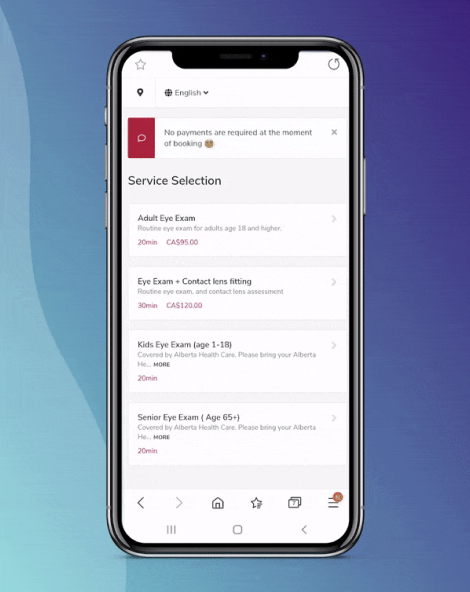
Need fresh contacts? We carry all major brands at Charm Optical (5035 Ellerslie Rd SW, Edmonton, AB T6X 1X2) and ship across Canada — free on orders over $99. Book a contact lens exam online or call us at (780) 490-0090.
What's in This Guide
- Do Contact Lenses Actually Expire?
- Contact Lens Shelf Life by Type (Table)
- Sealed vs. Opened: Two Different Timelines
- What Happens If You Wear Expired Contact Lenses?
- How to Tell If Your Contacts Have Gone Bad
- How to Store Contact Lenses Properly in Edmonton's Climate
- Contact Lens Storage Do's and Don'ts (Table)
- Contact Lens Fittings and Exams in Edmonton
- Insurance Coverage for Contact Lenses in Alberta
- Where to Order Fresh Contact Lenses Near Me in Edmonton
- Frequently Asked Questions About Contact Lens Expiry
Do Contact Lenses Actually Expire?
Yes. Every package of contact lenses — whether it's a blister pack of dailies or a vial of rigid gas permeable lenses — carries an expiration date stamped by the manufacturer. This date typically appears on both the individual blister pack and the outer box, formatted as year/month (e.g., 2027/06 means the lenses expire at the end of June 2027).
The expiry date refers to how long the sealed, unopened lens remains sterile in its packaging. Contact lenses sit in a saline or buffered solution inside a hermetically sealed blister. Over time, even sealed packaging can degrade. The solution's pH can shift, the seal can weaken, and the lens material itself can change shape or dry out microscopically.
According to the American Academy of Ophthalmology, you should never use contact lenses past their printed expiration date. Health Canada regulates contact lenses as Class II medical devices, which means manufacturers must demonstrate stability and sterility through the stated shelf life.
The bottom line: that expiration date isn't a suggestion. It's the manufacturer's guarantee that the lens inside is safe to put on your eye.
Contact Lens Shelf Life by Type (Edmonton Quick Reference)
Not all contact lenses have the same shelf life. The material, packaging, and solution all affect how long a sealed lens stays safe. Here's a breakdown by type:
| Lens Type | Typical Sealed Shelf Life | Wear Schedule (Once Opened) | Common Brands |
|---|---|---|---|
| Daily disposables | 3–4 years from manufacture | Single use — discard after one day | 1-Day Acuvue, dailies Total1, MyDay |
| Bi-weekly (2-week) | 3–4 years from manufacture | Replace every 14 days | Acuvue Oasys, Biofinity Energys |
| Monthly disposables | 3–4 years from manufacture | Replace every 30 days | Air Optix, Biofinity, Ultra |
| Toric (astigmatism) | 3–4 years from manufacture | Per schedule (daily, bi-weekly, or monthly) | Acuvue Oasys for Astigmatism, Biofinity Toric |
| Multifocal / progressive | 2–4 years from manufacture | Per schedule (daily or monthly) | dailies Total1 Multifocal, Air Optix Multifocal |
| Coloured / cosmetic | 2–3 years from manufacture | Per schedule (daily or monthly) | FreshLook, Air Optix Colors |
| Rigid gas permeable (RGP) | Up to 5 years (longer-lasting material) | 1–2 years with proper care | Boston, Menicon Z |
| Scleral lenses | Up to 5 years | 1–3 years (custom-fitted) | Various specialty labs |
A few things to note from this table. Daily disposables and monthly lenses have roughly the same sealed shelf life (3–4 years), but their wear schedules once opened couldn't be more different. One goes in the trash at bedtime; the other gets cleaned and stored for a month. That "once opened" timeline is just as important as the sealed expiry date.
Sealed vs. Opened: Two Very Different Timelines
There's a common mix-up between "shelf life" and "wear schedule," and it trips people up all the time.
Shelf life is how long the lens stays sterile inside its sealed packaging. A sealed box of monthly contacts manufactured in January 2024 with a four-year shelf life expires in January 2028. Until that date, any unopened blister in the box is safe to use.
Wear schedule starts the moment you crack open the blister pack and place the lens on your eye. A monthly lens is designed for 30 days of wear from the day you open it — not 30 days of actual wearing time. If you open a monthly lens on March 1st and only wear it three times, it still needs to be replaced by March 31st. Protein deposits, bacteria, and lens degradation don't pause on your days off.
This distinction catches a lot of people. We've had patients in our South Edmonton clinic who stretch a monthly lens to six or eight weeks because "it still feels fine." The lens might feel comfortable, but microscopically, it's accumulating deposits your eye reacts to over time.
A Simple Rule
Sealed lenses: check the printed expiry date. Opened lenses: follow the replacement schedule your optometrist prescribed, regardless of how the lens feels.
What Happens If You Wear Expired Contact Lenses?
Wearing expired contacts isn't like eating yoghurt a day past the date — the stakes are higher because you're placing something directly on one of the most sensitive tissues in your body. Here are the documented risks:
Microbial Contamination
The biggest risk is infection. Once the sterile seal degrades, bacteria, fungi, or Acanthamoeba can colonise the solution and the lens surface. Acanthamoeba keratitis is a particularly nasty infection that's difficult to treat and can cause permanent vision loss. The sealed packaging is your first line of defence against these organisms.
pH Imbalance in the Solution
The buffered saline solution inside each blister is carefully pH-balanced to match your tears (around 7.4). Over time, the solution's pH can drift. Placing a lens stored in degraded solution onto your cornea can cause stinging, burning, excessive tearing, and irritation that goes beyond normal discomfort.
Lens Warping and Parameter Shift
Soft contact lenses are made from hydrogel or silicone hydrogel polymers that maintain their shape in fresh solution. As the solution ages, the lens can subtly warp, changing its base curve or diameter. A lens that no longer matches your corneal shape won't sit properly — it can slide around, create pressure points, or trap debris underneath.
Reduced Oxygen Permeability
Modern silicone hydrogel lenses are engineered for high oxygen transmission (Dk/t values). Material degradation over time can reduce this permeability, starving your cornea of oxygen. Chronic oxygen deprivation leads to corneal neovascularisation — new blood vessels growing into the cornea where they don't belong.
Allergic Reactions
Degraded packaging materials or solution preservatives that have broken down can trigger contact allergic reactions — red, itchy eyes, mucous discharge, and contact lens intolerance that can take weeks to resolve.
The Health Canada medical device guidelines classify contact lenses as regulated devices precisely because of these risks. Expired lenses fall outside the manufacturer's tested and validated safety window.
How to Tell If Your Contacts Have Gone Bad
Before you put any contact lens on your eye, do a quick inspection. These signs mean the lens should go straight into the bin:
- Damaged blister pack: Any tear, puncture, or visible opening in the foil seal means sterility is compromised, even if the expiry date hasn't passed.
- Cloudy or discoloured solution: The saline inside should be perfectly clear. Yellow tint, cloudiness, or visible particles mean contamination.
- Dried-out lens: If the blister feels light or the lens is stuck to the packaging and has dried edges, the seal failed at some point.
- Lens feels different on the eye: Stinging, burning, or an unusual "awareness" of the lens on insertion can signal solution degradation or lens warping.
- Visible chips, tears, or deposits: Hold the lens up to light before inserting. Any nick, tear, or white protein spot means discard immediately.
- Blurred vision after insertion: A warped lens or one with shifted parameters won't correct your vision properly.
If you're ever unsure, err on the side of caution. A single contact lens costs far less than treating a corneal infection.
How to Store Contact Lenses Properly in Edmonton's Climate
Edmonton's weather swings from +30°C summers to -30°C winters, and that range matters for contact lens storage more than most people realise.
Temperature Extremes
Contact lenses should be stored between 1°C and 30°C (roughly refrigerator temperature to a warm room). Leaving a box of contacts in your car during an Edmonton winter can expose them to -20°C or colder. While one brief freeze might not visibly damage the lens, repeated freeze-thaw cycles can stress the polymer structure and compromise the blister seal.
Summer isn't much better. A car parked in the sun at West Edmonton Mall on a July afternoon can hit interior temperatures above 50°C. Heat accelerates solution degradation and can warp lens material.
Humidity and Bathroom Storage
Most people store contacts in the bathroom — convenient, but not ideal. Edmonton homes tend to be very dry in winter (indoor humidity can drop below 20%), which isn't a problem for sealed blisters but can dry out solution in opened cases faster. In summer, shower steam creates humidity spikes that promote mould growth on lens cases.
A bedroom drawer or linen closet is actually a better storage spot: stable temperature, consistent humidity, no steam exposure.
Solution Care
If you wear bi-weekly or monthly lenses, your multipurpose solution has its own shelf life — usually 3–4 months after opening, regardless of how much is left in the bottle. Never top off old solution with fresh solution. Dump the old, rinse the case with fresh solution (not water), and refill completely each night.
Contact Lens Storage Do's and Don'ts (Quick Reference)
| Do | Don't | Why |
|---|---|---|
| Store sealed boxes at room temperature (15–25°C) | Leave boxes in your car (winter or summer) | Extreme temps degrade seals and solution |
| Keep in a dry, dark location (drawer or closet) | Store in a steamy bathroom cabinet | Humidity promotes mould on cases and packaging |
| Check expiry dates when you buy a new supply | Assume all boxes in a multi-pack expire at the same time | Different batches in the same order can have different dates |
| Replace solution bottle within 3 months of opening | Top off old solution with fresh solution | Topping off dilutes disinfectant, allowing bacteria to survive |
| Replace your lens case every 1–3 months | Use the same case until it cracks or discolours | Biofilm builds up on plastic cases even with regular rinsing |
| Wash hands with soap before handling lenses | Use hand sanitiser as a substitute for washing | Sanitiser residue can irritate eyes and damage lens material |
| Air-dry your case face-down on a clean tissue after emptying | Snap the case shut while wet | Trapped moisture is the top cause of lens case contamination |
| Bring spare lenses when travelling in Alberta | Rely on finding your brand at a random pharmacy | Prescription contacts require a valid Rx — not all stores carry your parameters |
Contact Lens Fittings and Exams in Edmonton
Every pair of contact lenses starts with a proper fitting. Your optometrist measures your corneal curvature, evaluates your tear film, checks for dry eye (common in Edmonton winters), and determines which lens material and design matches your eyes and lifestyle.
At Charm Optical, a contact lens exam and fitting is $135 CAD, and a standard eye exam is $99 CAD (as of July 2026). If you're new to contacts, this appointment covers everything: your prescription, lens type recommendation, insertion and removal training, and a care walkthrough. If you've worn contacts before, we'll verify your prescription is current and check for any changes to your corneal health.
We see patients from across South Edmonton — from Ellerslie and Walker to Heritage Valley and Windermere. Our location at 5035 Ellerslie Rd SW is easy to get to from Ellerslie Road or 50th Street, with plenty of free parking.
Why Annual Fittings Matter
Your eyes change over time. The Canadian Association of Optometrists recommends adults have an eye exam at least every two years, but if you wear contacts, annual exams are the standard. Your corneal shape, tear production, and prescription can all shift year to year. Wearing contacts with an outdated prescription or wrong base curve is one of the most common causes of contact lens discomfort.
Book your contact lens exam online or call (780) 490-0090 — we typically have same-week availability.
Insurance Coverage for Contact Lenses in Alberta
Contact lenses are covered under many Alberta insurance plans, and we handle the paperwork for you. We offer direct billing to these providers, so you pay only your portion at checkout:
- Alberta Blue Cross — most individual and group plans cover contact lenses every 24 months
- Canada Life (formerly Great-West Life) — coverage varies by plan; most include contacts as part of vision care benefits
- Desjardins Insurance — typically covers contacts under optical/vision benefits
- AISH (Assured Income for the Severely Handicapped) — covers medically necessary contacts
- Alberta Works — income support and barriers to employment programs include vision care coverage
Alberta Health Care covers comprehensive eye exams for children under 19 and adults 65+, but does not typically cover the cost of contact lenses themselves (only the exam). If you have private insurance through work, your plan likely includes a dollar amount for contacts — bring your benefits card and we'll look up your coverage on the spot.
Not sure what your plan covers? Give us a call at (780) 490-0090 and we'll check your eligibility before you come in.
Where to Order Fresh Contact Lenses Near Me in Edmonton
If you're searching for "contact lenses near me" in Edmonton, Charm Optical stocks and orders all major contact lens brands. Whether you wear Acuvue, Air Optix, Biofinity, dailies Total1, or specialty toric and multifocal lenses, we can get them — usually within a few business days.
In-Store Pickup
Come by our Ellerslie location. If we have your brand and prescription in stock, you walk out with fresh lenses the same day. If we need to order your specific parameters, we'll have them shipped to the store and call you when they arrive.
Canada-Wide Shipping
We ship contact lenses across Canada. Orders over $99 ship free. Whether you're in Edmonton, Calgary, Vancouver, or a small town in northern Alberta, we deliver right to your door.
Why Buy From an Optical Store?
Online mega-retailers might undercut on price, but they don't verify your prescription is current, check your corneal health, or notice that your brand's base curve changed in a recent reformulation. When you buy through us, we cross-reference your order with your latest exam and flag anything that doesn't match. That five-second check has caught more problems than you'd expect.
Browse our contact lens collection online or visit us at 5035 Ellerslie Rd SW, Edmonton, AB T6X 1X2.
Daily vs. Monthly Contacts: How Expiry Plays Into the Choice
The choice between daily and monthly contacts affects how you deal with expiry and storage. Here's the practical difference:
Daily disposables are the lowest-maintenance option. You open a fresh blister each morning, wear the lens all day, and toss it at night. No cleaning, no case, no solution bottles to track. The trade-off is cost per lens — dailies are more expensive per unit, but you save on solution and cases. They're also the safest option from an expiry standpoint because you never re-use a lens that's been exposed to the environment.
Monthly contacts cost less per lens but require disciplined care: nightly cleaning, proper solution, case replacement every one to three months, and strict adherence to the 30-day replacement cycle. If you tend to forget when you opened a lens, monthly contacts carry more risk of overwear.
For a deeper comparison, check out our daily vs. monthly contact lenses guide.
When to Replace Your Contacts (Even If They Feel Fine)
Comfort is deceiving. A lens that feels perfectly fine on day 35 of a 30-day schedule has been accumulating protein and lipid deposits for five extra days. Your cornea adapts to gradual changes, so you won't necessarily feel the difference — but your optometrist will see it under a slit lamp.
Here's a straightforward replacement guide:
- Daily lenses: Remove and discard every night. Never sleep in them (unless specifically prescribed for extended wear).
- Bi-weekly lenses: Replace every 14 days from the date you open the blister, not from the date you first wore them.
- Monthly lenses: Replace every 30 days. Write the open date on the box or set a phone reminder.
- Rigid gas permeable: Replace every 1–2 years, or sooner if your optometrist recommends it based on lens condition.
A useful habit: when you open a new pair, write the date on your phone calendar with a reminder set for replacement day. It takes 10 seconds and removes all guesswork.
Frequently Asked Questions About Contact Lens Expiry
Can I use contact lenses after the expiration date if the package is still sealed?
No. Even in a sealed blister, the solution and packaging materials degrade over time. The expiry date represents the last date the manufacturer guarantees sterility and lens integrity. Using lenses past this date increases your risk of infection and discomfort. When in doubt, check the date stamped on each individual blister — don't rely only on the outer box.
How long do contact lenses last once opened?
That depends entirely on the lens type. Daily disposables last one day (discard after each use). Bi-weekly lenses last 14 days from opening. Monthly lenses last 30 days from opening. These timelines apply regardless of how many days you actually wore the lens during that period. A monthly lens opened on April 1st should be replaced by May 1st even if you only wore it 10 times.
Is it safe to wear contacts that expired one or two months ago?
Manufacturers set expiry dates with a safety margin, so a lens that expired last month is less risky than one that expired two years ago. However, there's no way to visually confirm that the solution is still sterile or the lens hasn't warped. The safe answer: don't risk it. A corneal infection costs far more — in money and recovery time — than a fresh box of contacts.
What should I do with expired contact lenses?
Dispose of them in your regular household waste. Contact lenses should never be flushed down the toilet or washed down the drain — they contribute to microplastic pollution in waterways. Remove the lens from the blister, peel the foil, and recycle the plastic blister where local recycling programs accept it (Edmonton's blue bag program accepts small plastics, though check current guidelines).
Does contact lens solution expire too?
Yes. Sealed bottles of multipurpose solution typically last 2–4 years (check the label). Once opened, most manufacturers recommend using the bottle within 90 days (3 months), regardless of how much solution remains. After 90 days, the disinfecting agents lose potency and can no longer reliably kill bacteria. Mark the opening date on the bottle with a permanent marker.
Can expired contacts cause permanent eye damage?
In severe cases, yes. The most serious risk is a corneal infection — particularly from organisms like Pseudomonas aeruginosa or Acanthamoeba — that can scar the cornea and permanently reduce vision. While most expired-lens incidents result in temporary irritation, the potential for serious damage makes it a risk not worth taking.
Where can I get a contact lens exam near me in Edmonton?
Charm Optical offers contact lens exams and fittings for $135 CAD, and a standard eye exam is $99 CAD (as of July 2026). We're located at 5035 Ellerslie Rd SW in South Edmonton (Ellerslie area), serving patients from Heritage Valley, Summerside, Walker, Windermere, and across the city. Book online at see.charmoptical.ca or call (780) 490-0090.
Keep Your Lenses Fresh, Keep Your Eyes Healthy
Contact lenses are one of those everyday items where cutting corners just isn't worth it. A sealed box past its date, a monthly lens stretched to week six, a solution bottle open since last summer — each of these is a small gamble with your vision. The good news is that staying on top of it takes almost no effort. Check dates when you buy. Set a phone reminder when you open a new pair. Store your supply in a cool, dry spot (not your car in January).
If it's been a while since your last eye exam or you're ready to reorder, come see us at Charm Optical. We're at 5035 Ellerslie Rd SW, Edmonton, AB T6X 1X2, and we're always happy to answer questions about lens care, expiry, or anything else on your mind. Book online or call (780) 490-0090.
Author: Charm Optical Team | Last updated: April 2026
Related reading: